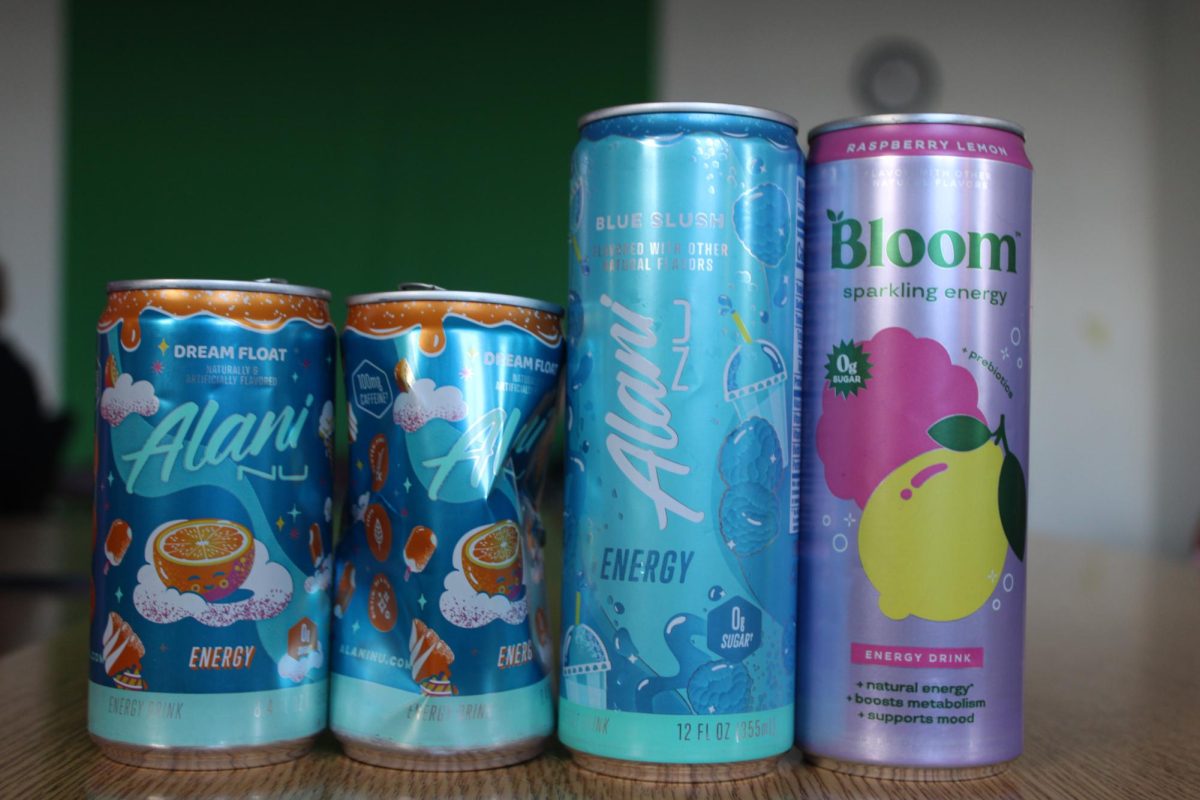
Energy drinks have taken teenagers by storm recently. From Alanis to Red Bulls, energy drinks are known for keeping you lively throughout the day. But have you wondered why teenagers are in such a craze for these energy drinks more than ever? Or what effects do these energy drinks have?
Caroline Roth, a freshman at Lafayette who drinks multiple energy drinks, said, “Energy drinks make me more hyper, and they make me antsy and fidgety and make me want to get more things done. But then they also make me want to crash at the end of the day.” Being “fidgety” means that she cannot sit still throughout the day. So, energy drinks make Roth feel like she is on top of the world before crashing at the end of the day.
Multiple research studies have also been conducted on the effect of energy drinks. According to The American Academy of Pediatrics, “Energy drinks are not appropriate for children and adolescents due to the high levels of caffeine these drinks contain.”The Norton Children’s Hospital has also reported that, “…energy drinks, sports drinks and other beverages with high amounts of caffeine and added sugar can make kids sleepless, jittery and anxious. Increased heart rate and high blood pressure are other risks of highly caffeinated energy drinks.” UC Davis has also stated that, “Too much caffeine can lead to heart palpitations, increased heart rate, and high blood pressure.” These findings lead researchers to assume that not only are energy drinks harmful to teenagers, but also to adults.
The Lafayette students we interviewed, along with multiple research studies, seem to conclude that energy drinks are not necessarily good for the teenage body and should only be consumed in small amounts. Energy drinks do more harm than help the body, due to the heart problems they cause at an early age and the long-term effects they may have on a teenager as they become an adult.
This leads to the conclusion that if anyone is drinking energy drinks for the taste, professionals recommend alternatives such as fruit juices (apple, grape, etc.). These also contain sugar, a simple source of energy. Other drinks you can drink for caffeine are coffee and tea, which are better for you because they don’t have artificial flavoring, and it’s more hydrating.